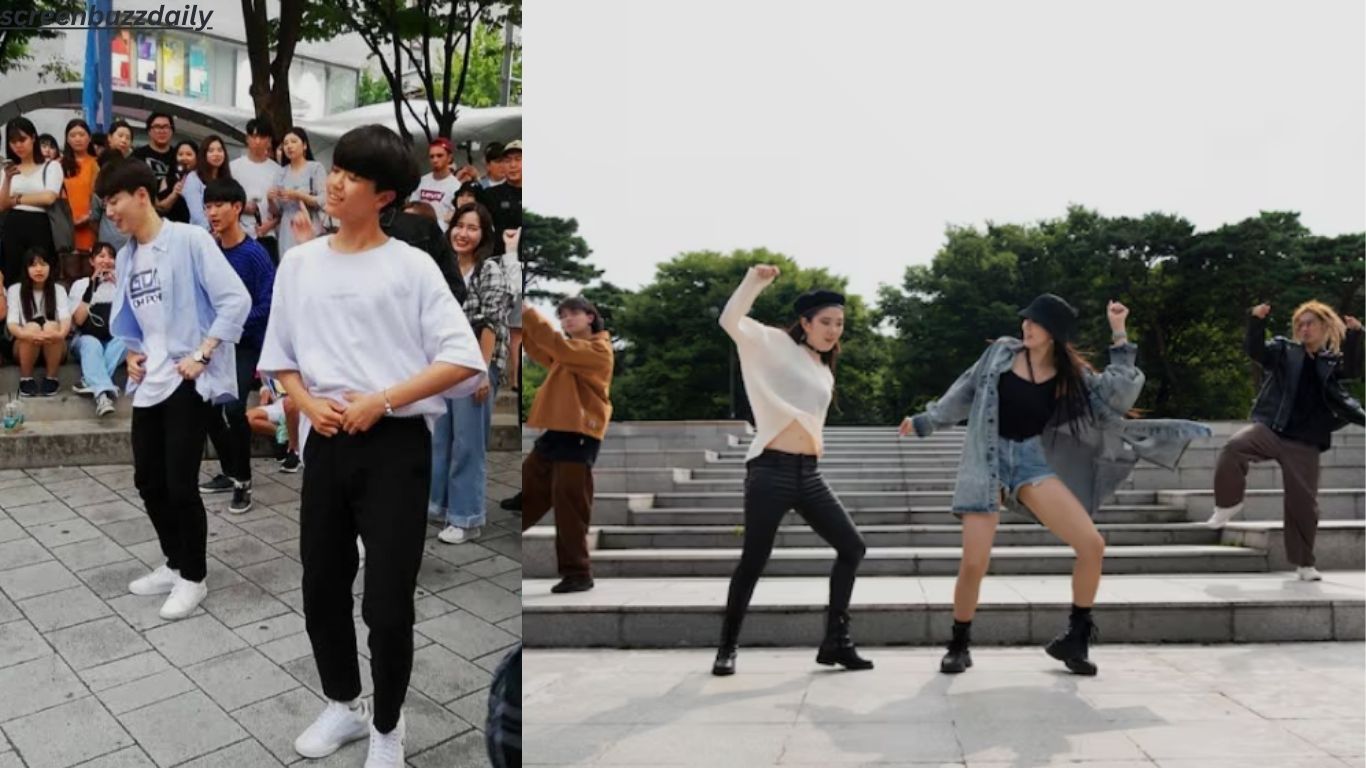
Korean street dance culture has grown from a small underground scene into one of the most influential dance forces in the world. Today, Korea shapes global trends in dance battles, studio choreography, and even K‑pop performance.
This is not something that happened overnight. Korea’s street dance story has clear “waves,” strong crews, serious training, and a battle culture that pushes dancers to world-class level.
1) The Origins: How Korean Street Dance Started
The “Itaewon Era” (1980s): Where it began
Modern Korean street dance first took root in Itaewon (Seoul) in the 1980s, near U.S. military bases. Korean youth were exposed to American music and dance through:
- Funk, hip-hop, and disco music
- Dance films and music videos
- Club culture around areas with international influence
A key spark for breaking worldwide was the 1984 film Breakin’, and Korea felt that impact too. Many early Korean dancers learned through what fans often call the “videotape generation”—copying moves by pausing and rewinding VHS tapes.
Why this matters: Korean street dance began as self-taught culture. It was not built in schools first—it grew from community learning, copying, and experimenting.
The mainstream spark (early 1990s): Street dance enters Korean TV
In 1992, Seo Taiji and Boys changed Korean pop culture by bringing hip-hop sounds and street-dance-based choreography to national television. This was a major turning point because street dance became visible to the public, not just underground dancers.
Some members (and future industry leaders) were known for strong dance backgrounds, and the message was clear: dance could be the main event, not just background.
The B-boy Golden Age (2000s): Korea becomes a battle powerhouse
By the early 2000s, Korea’s breaking scene became one of the strongest in the world. Korean crews started winning major international competitions, including Battle of the Year (BOTY)—one of the most respected breaking crew championships globally.
Well-known examples include:
- Expression Crew (BOTY champions, 2002)
- Gamblerz Crew (BOTY champions, 2004 and 2009)
Korea also built major platforms at home, including events like R-16 Korea, which helped connect Korean breakers with international crews and judges.
Result: Korea earned a reputation for power, speed, discipline, and clean execution—qualities that score well in high-level battles.
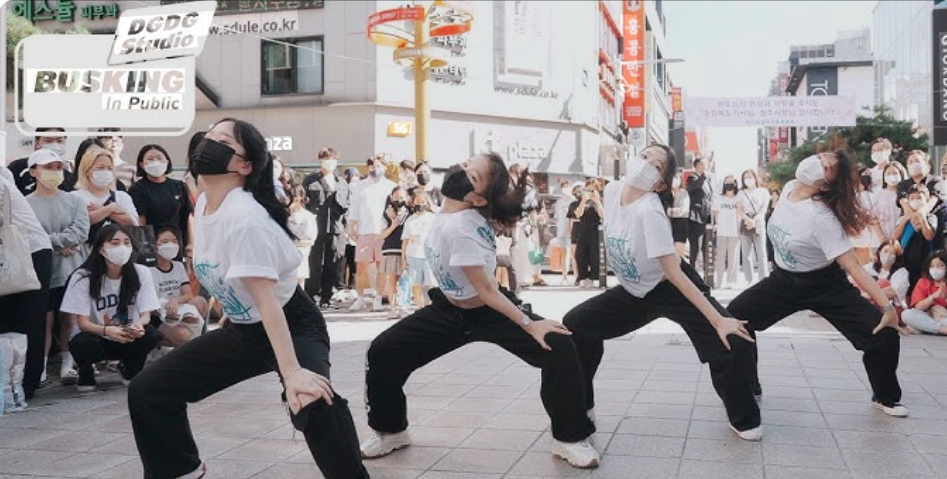
2) Why Korea Became a World Leader in Street Dance
Korea did not lead the scene only because of talent. The system helped create consistent excellence.
Crew culture + serious practice
Korean dancers are known for intense training routines and strong teamwork. In many crews, members practice like athletes:
- repetition until moves are clean
- stamina training
- musicality drills
- synchronization practice (especially for stage performances)
A strong battle ecosystem
Battles reward skills that Korea developed deeply:
- foundation and technique
- originality
- difficulty and control
- musical timing
- performance under pressure
Because Korea hosted and participated in high-level battles for years, dancers learned how to win under international rules and judging styles.
Studios + “camera-ready” choreography
Korea also became a leader in studio choreography (often called urban choreography). Famous studios helped spread Korean choreography worldwide through video platforms, especially YouTube—making Korea a global reference point for dance training and performance visuals.
3) Key Styles in Korea Today
Korean street dance culture is not just one style. It is a full ecosystem.
Breaking (B-boying)
Breaking is still the backbone of the culture. Korea has produced many world-level breakers and crews, and breaking remains a strong part of competitions and festivals.
Also, because breaking became an Olympic discipline, Korea—like many countries—developed more organized systems for selecting and supporting top competitive dancers.
Popping
Korea is widely respected for high-precision popping—clean hits, strong control, and “textbook” technique. Korean poppers have been successful in international battles and are often studied by dancers worldwide.
Waacking
Waacking (a club dance style that originated in LGBTQ+ spaces in Los Angeles) has a huge scene in Korea today. Korea is known for:
- very fast and sharp arm movements
- dramatic posing and stage character
- strong battle culture in waacking
Notable waacking figures from Korea include Lip J and Yoonji, who are widely recognized internationally through battles and judging.
Choreography / Urban (for stage and camera)
This is the style most global fans see first, because it connects directly to:
- K‑pop performances
- music videos
- concert touring
- dance class videos
Studios like 1MILLION Dance Studio helped make this approach global: choreography designed to look powerful on camera while still using street-dance foundations.
4) Famous Dancers and Crews Shaping the Scene (Modern Era)
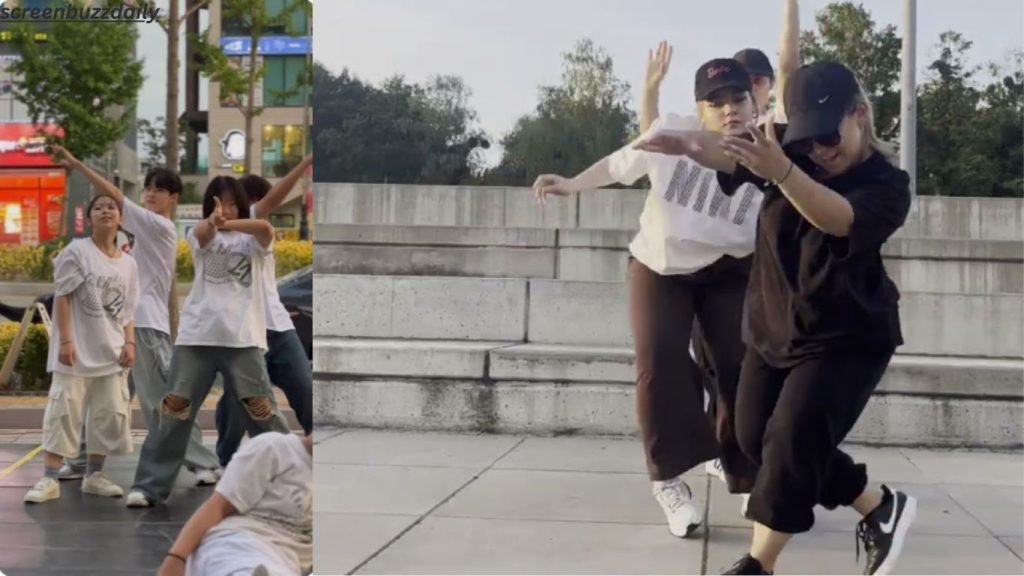
Today’s Korean scene is often described as a mainstream–underground hybrid: battle dancers, choreographers, and TV stars influence each other.
Major figures (widely known)
- Lia Kim (1MILLION Dance Studio): One of Korea’s most influential choreographers and studio leaders, known globally for dance videos and K‑pop choreography work.
- Hong 10 (Kim Hong-yeol): A breaking legend and multiple-time Red Bull BC One world champion (including a title win in 2023), respected for longevity and creativity.
- Monika (Prowdmon): Known for strong direction, artistic approach, and helping the public view street dance as serious performance art.
- Lip J & Yoonji: Internationally respected waackers, known for battles, workshops, and judging.
Crews with global reputation
- Just Jerk: Known for extremely clean synchronization and big-stage performance. They won Body Rock (2016) and gained mainstream attention internationally.
- Jinjo Crew: One of the most decorated Korean breaking crews, recognized for winning multiple major international titles.
- HolyBang (led by Honey J): A major name in Korea’s hip-hop choreography scene and widely known through TV dance programs.
- Classic battle-era icons include crews like Expression Crew and Gamblerz Crew, who helped build Korea’s global reputation in breaking.
Note on accuracy: TV lineups and “top crews right now” can change fast year to year. The names above are consistently documented as major influences across battles, studios, and mainstream media.
5) Street Dance and K‑Pop: A Two-Way Relationship
K‑pop did not just “use” street dance—street dance also grew because of K‑pop.
How street dance shaped K‑pop
- More complex choreography became a standard expectation
- Dance practice videos turned choreography into a product
- Dancers and choreographers became important behind-the-scenes creators
How K‑pop helped street dancers
- More jobs: touring, MV shoots, commercials, classes
- More visibility: dancers started building personal brands
- More respect: dance became a serious career path, not a side role
Shows like Street Woman Fighter (SWF) amplified this shift. Dancers became public figures, and many viewers learned for the first time that street dance includes many genres, rules, and histories.
6) Where to Watch Korean Street Dance (Online + In Person)
If you want to see Korean street dance culture in its real form, battles and festivals are essential.
Major events to know
- BBIC (Bucheon International Breaking Championship): One of Korea’s best-known breaking events with international attendance.
- R-16 Korea (historically important): A major platform connecting Korea’s breaking scene to global crews.
- Busan dance festivals and events: Busan regularly hosts large dance gatherings and competitions that attract both Korean and international dancers.
Best places to watch online
- Official event channels (battle uploads)
- Studio channels (choreography videos)
- TV/streaming dance programs (for mainstream exposure)
7) The Cultural Shift: From “Backup” to Main Star
Korean street dance culture has changed socially, not only artistically.
Dancers now have fandoms
Many dancers now have:
- personal fanbases
- brand partnerships (sportswear and fashion are common)
- teaching tours and international workshops
More formal education paths
Korea has expanded practical dance education, and it is now common to see street-dance-based training inside academies and university-style programs (often under “practical dance” departments).
A growing “K‑Dance” identity
More choreographers and crews are mixing Korean cultural elements into modern routines—through:
- traditional music samples
- costume ideas (inspired by hanbok styling)
- movement concepts inspired by Korean performance traditions
When done well, this creates a clear identity that feels Korean without losing street dance fundamentals.
FAQ (SEO-friendly)
What is Korean street dance culture?
It is Korea’s full ecosystem of street styles (breaking, popping, waacking, hip-hop) plus crews, battles, studios, and media that support dancers and trends.
When did street dance start in Korea?
Modern street dance grew in Korea in the 1980s, especially in Seoul areas like Itaewon, then expanded through TV in the early 1990s and global battles in the 2000s.
Why is Korea famous for breaking (b-boying)?
Korean crews trained intensely and competed internationally for decades, winning major titles and building a strong battle system at home.
What did Street Woman Fighter change?
It made street dancers visible as celebrities, introduced styles to the public, and helped dancers build careers beyond backup work.